
Uncategorized

Data Security
Uncategorized

Cyber Defense: Why Is It Important for Every Organization?

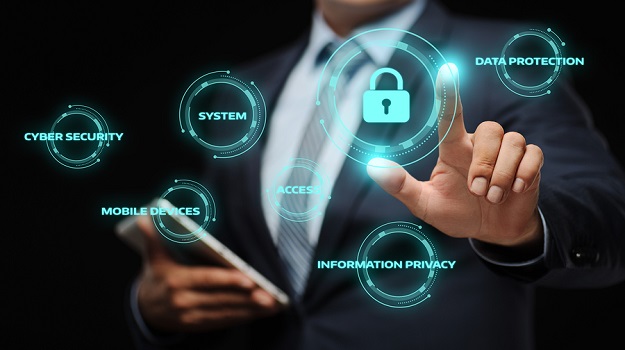
In today’s digital era, cyber threats have become a great concern for both individuals and organizations. With cyber attackers becoming more sophisticated in nature, it has become essential for organizations to take constructive security measures to safeguard their businesses and customers against cyber threats. And this is exactly where cyber defense services appear as a ray of hope. Cyber defense is a term that basically means the ability to prevent cyber attacks from affecting a computer system or device. It includes taking active steps to predict adversarial cyber actions and counter the interventions. The ultimate goal of cyber defense is to prevent, disrupt, and respond to cyber attacks effectively. What Makes Cyber Defense Necessary? A proactive approach to cybersecurity is a must as it helps in avoiding disruptive cyber attacks. Cyber attacks not only tax IT resources but also impact the brand image and finances and might even result in legal consequences. However, organizations that reach a specific threshold with their cyber defense can seamlessly conduct their business operations while facing persistent threats. This continued business functionality helps to strengthen customers’ trust and even improves shareholder value. Common Cyber Defense Activities Cyber defense is about providing organizations the ability to counter cyber attacks on the go using cyber security. It generally involves all practices and processes that will help to defend a network, its data, and nodes from unauthorized access. Some of the common cyber defense activities include: â—Ź        Installing and maintaining software and hardware infrastructures that deter hackers. â—Ź        Real-time implementation of practices aimed to diffuse zero-hour attacks. â—Ź        Identifying and analyzing system vulnerabilities. â—Ź        Recovering from fully or partially successful cyber attacks. Benefits Of Cyber Defense for Organizations 1) Prevents Spyware In today’s tech age, with so much competition, Spyware can act as an infection that can spy on computer activities and relay that information to unauthorized communities. With cyber defense services, organizations can protect their data and ensure the maintenance of privacy and confidentiality. In today’s time, data is an asset that can be easily sold, manipulated, and encrypted for forced ransom. 2) Protects Function and Productivity Malware, viruses, and third-party apps can slow down computers and other devices. And a persistent fear of cyber threats can also impact how the staff handles the workload. In situations where the organizations are attacked, it can make the entire workflow stop. Hence, in such situations, having a powerful cyber defense system can help the organization in the long run. 3) Increased IT support Modern cyber attackers are experienced and determined. However, partnering with reliable cyber defense solution providers can help an organization’s IT department receive additional support to fight against cyber threats in both preemptive and reactive ways. Achieve Digital Security For Your Organization With Starphyre! Cyber defense offers organizations much-needed assurance to run the processes free from worries about threats. By enhancing security strategy utilizations and resources, cyber defense can help improve the effectiveness of security resources. If you wish to utilize cyber defense services for your organization and are looking for a reliable service provider, then consider contacting Starphyre Digital Security Services. With a goal to offer evolving cybersecurity defense solutions, organizations can direct their focus on what they do best: running a business.

Data transfer
Uncategorized

Government Compliance

United States Government regulations require Tax Practitioners and Medical Practitioners to be Cybersecurity Compliance with IRS and HIPAA standards. This includes businesses with as little as 1 employee, such as CPAs, Bookkeepers, Dentists, Chiropractors, Optometrists, Otolaryngologists, etc. Financial advisors, real estate appraisers, loan brokers, and mortgage lenders who have their clients’ Personal Identifiable Information (PII) and various financial information are required to be cybersecurity compliant in accordance with Gramm-Leach-Bliley Act (GLBA) as of June 2023. Failure to comply with the GLBA can be severe, with penalties as large as $100,000 per violation/client. Owners and officers of the company can face up to five years in prison. While prison time is unlikely, the fines are very likely for those who ignore their cybersecurity compliance obligation. The level of those fines will depend on your culpability in the cyberattack. The GLBA cybersecurity requirements are basically the same as the IRS and HIPAA, because the cyber threat they face is the same. In fact, all three points to FTC and NIST websites for further clarification.        Over the years, their cybersecurity requirements have become easier to understand for people without a working knowledge of IT and human engineered cyberattacks. This has removed the most common excuse “I didn’t understand what was required”.   One requirement that is not so clear is the Written Information Security Plan (WISP). In June 2023, the IRS required all tax practitioners to have a “valid” Written Information Security Plan (WISP) or face huge fines. HIPAA also recommends medical practitioners have a Written Information Security Plan (WISP). To clearly understand that is required to create a valid WISP, you must have a working knowledge of IT and the patience to wade through over 290 pages of material on IRS, HIPAA, FTC and NIST websites. This is why you need the help of a cybersecurity specialist, to create a valid WISP.    Government contractors can be subjected to similar cybersecurity compliance requirements. These cybersecurity requirements are often more aggressive and comprehensive depending on which government agency you are working with. Starphyre can help you understand what is required and provide you with the services you need for compliance.

data transfer
Uncategorized

7 Essential Cybersecurity Solutions For Small Businesses

Cybersecurity solutions are essential for all businesses, regardless of size. One should not take cybersecurity lightly. Hackers have been using techniques including data breaches, domain spoofing, spam-based assaults, and universal signature forgery extensively. Regrettably, the “new normal” of remote employment has made cyberattacks more frequent than ever before. The worst affected are small businesses, particularly in light of the meager funding usually allocated to cybersecurity. In this blog, you will learn about seven cybersecurity solutions for small businesses. Low-hanging fruit piques the interest of hackers the most. It makes sense why their favored targets are small enterprises, who tend to think less about constructing their cyber defenses. Fortunately, we’ve put together a list of cybersecurity solutions to keep your company safe and stress-free: 1. Regular Vulnerability Assessments to Identify Know Vulnerabilities. About 40% of the time, Hackers use vulnerabilities to again entry. Using other vulnerabilities is the number one way they exploit that access to get control of your devices. Software and hardware vendors frequently issue patches to address security holes or vulnerabilities. New vulnerabilities are being created every day; continuous vulnerability assessments are needed to stay up to date. This is why government regulations from the IRS, HIPAA, GLBA and FTC all require frequent vulnerability assessments. The problem is these assessments are expensive, especially for small businesses. This is why Starphyre developed Cyber GuardTM technology to provide affordably daily vulnerability assessments for businesses as small as 1 person offices. 2. Employee Cybersecurity Awareness Training Not every threat comes from outside your organization. Your staff members may inadvertently expose confidential information or jeopardize the security of your data. Employees being ticked by phishing emails is the number one way hackers gain access, approximately 50% of the time. It is also the second most common way they exploit that access. For this reason, government regulations from ITS, HIPAA, GLBA and FTC all require regular employee awareness training. You should grant access to sensitive information to employees who truly require access. This is why Starphyre offers affordable monthly cybersecurity awareness training with additional HIPAA training. 3. Next Generation Endpoint Detection and Response Antivirus The best antivirus solution is one that has a strong innovated same-day new virus detection engine. An acceptable antivirus solution should include a strong and balanced response to new viruses. And the ability to restore damage, deleted and encrypted files is also important. Here again, the government requires small businesses to implement a strong EDR solution on all workstations. Starphyre has a great solution for small businesses that covers all these requirements. 4. Offsite File Backup or Disaster Recovery IRS, HIPAA, GLBA and FTC requires businesses protect client/patient information offsite to protect that data from both manmade and nature disasters. These backups need to be daily and have safeguards to make them immutable. Starphyre offers both cloud file backup and complete disaster recovery solutions that are affordable for small businesses with 1 to 100 workstations.  5. Quick Remediations of Vulnerabilities This takes a both remote and onsite remediations of vulnerabilities by qualified cybersecurity technicians. Starphyre offers very affordable ways to remotely remediate vulnerabilities quickly without disrupting your business operations. 6. Network Security While some of the services above provide network security, there are many other things that are required to make sure your network is secure. Starphyre has found that 75% of small businesses have one or more critical network issues. The most frequent one is not having a weak unsecure this firewall. This is why hackers are so attracted to small businesses, they are easy money. Let Starphyre help you secure your network and make it compliant with government requirements. 7. Written Information Security Plans (WISP) In June 2023, the IRS made having a WISP a legal requirement for all tax practitioners. HIPAA recommends medical practitioners to have them, but it is not yet a legal requirement. A valid WISP contains three things: security assessment, protocols and response plan. Creating a valid WISP can be a challenge given there are over 290 pages of requirements referenced various government agency websites to review. You also need a working knowledge of IT. Worry not, Starphyre can create a valid WISP for your business. Safeguard Your Business with Starphyre Digital Security We at Starphyre Digital Security Services specialize in cybersecurity solutions for small businesses. We prioritize your business’s security by implementing security services that meet, and in some cases exceed government compliance requirements. It is our mission to evolve these services to address the ever-changing cybersecurity threat your small business faces. Don’t let cyber threats jeopardize your business. Contact Starphyre Digital Security today for proactive cybersecurity measures that ensure your peace of mind and business continuity.

Scroll to Top